
Match Point With Nick Hoag
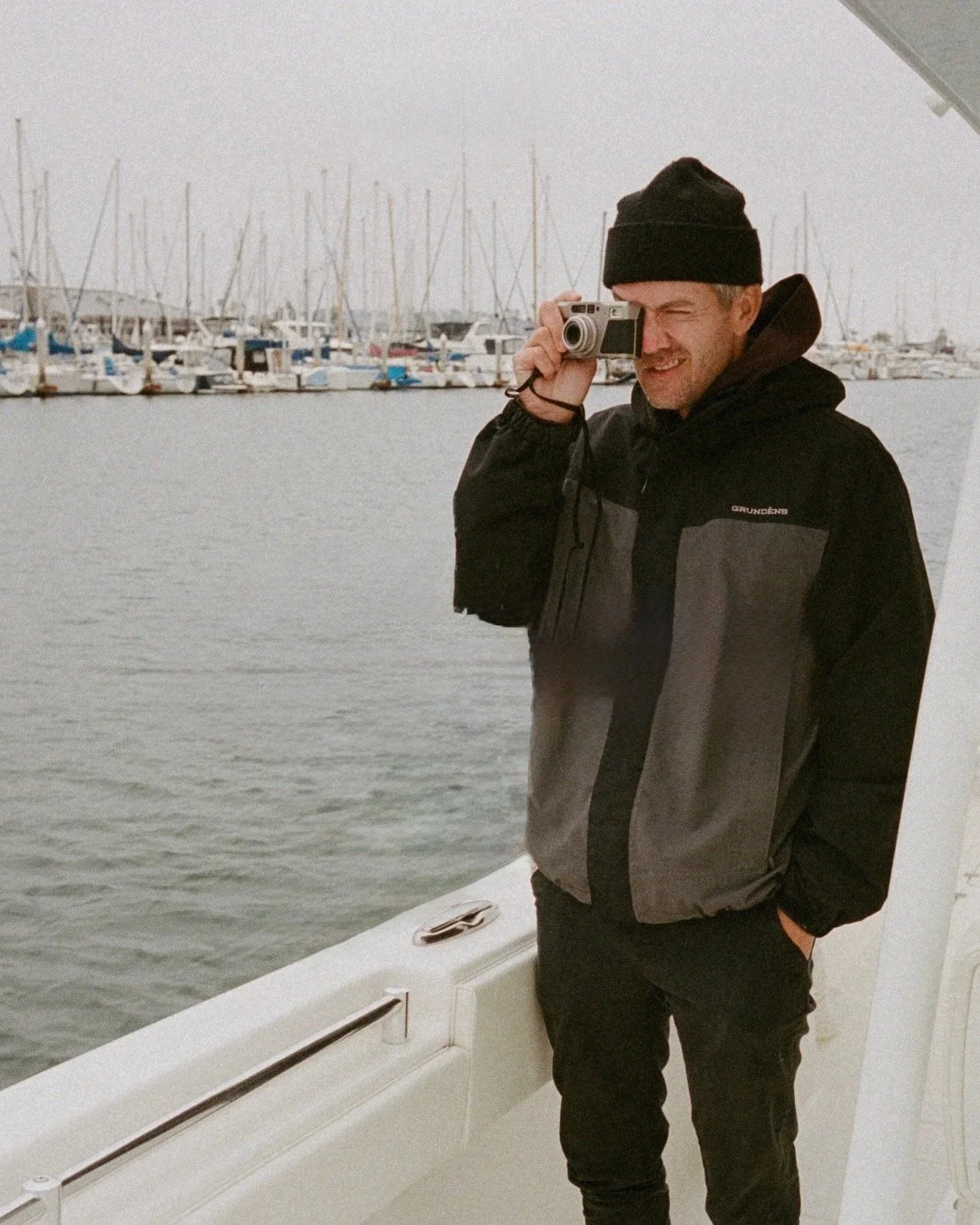
Nick is a Los Angeles-based creative director and film photographer with more than 17 years of experience in brand, marketing, and digital strategy. Alongside his creative work, he’s spent the past several years photographing tennis on film, capturing the movement, atmosphere, and personality that make the sport so compelling. As both a player and photographer, he’s especially drawn to the rhythm of the game and the beauty that surrounds it.
What does tennis represent to you personally at this stage of your life?
Tennis represents a lot to me. Joy, escape, health, family, community, challenge, and improvement.
I got into it because of my daughter, and that is a huge part of why it means so much to me. We both started playing about five years ago and we continue to spend a lot of time on court together. Despite a lot of changes in our lives over that time, tennis has become one of the main ways we stay close.
It also feeds something deeper in me, which is the idea that you can always get better. You never really arrive in tennis. You just keep chasing progress. It teaches you how to deal with failure, frustration, negative thoughts, and all the little battles that happen in your own head. When you finally learn a new skill or start winning points you weren’t winning before, the reward feels that much greater. There are a lot of life lessons in that.
In a world that feels really digital and lonely at times, tennis gives me something real. It gets me outside, around great people, and focused on something I genuinely love.
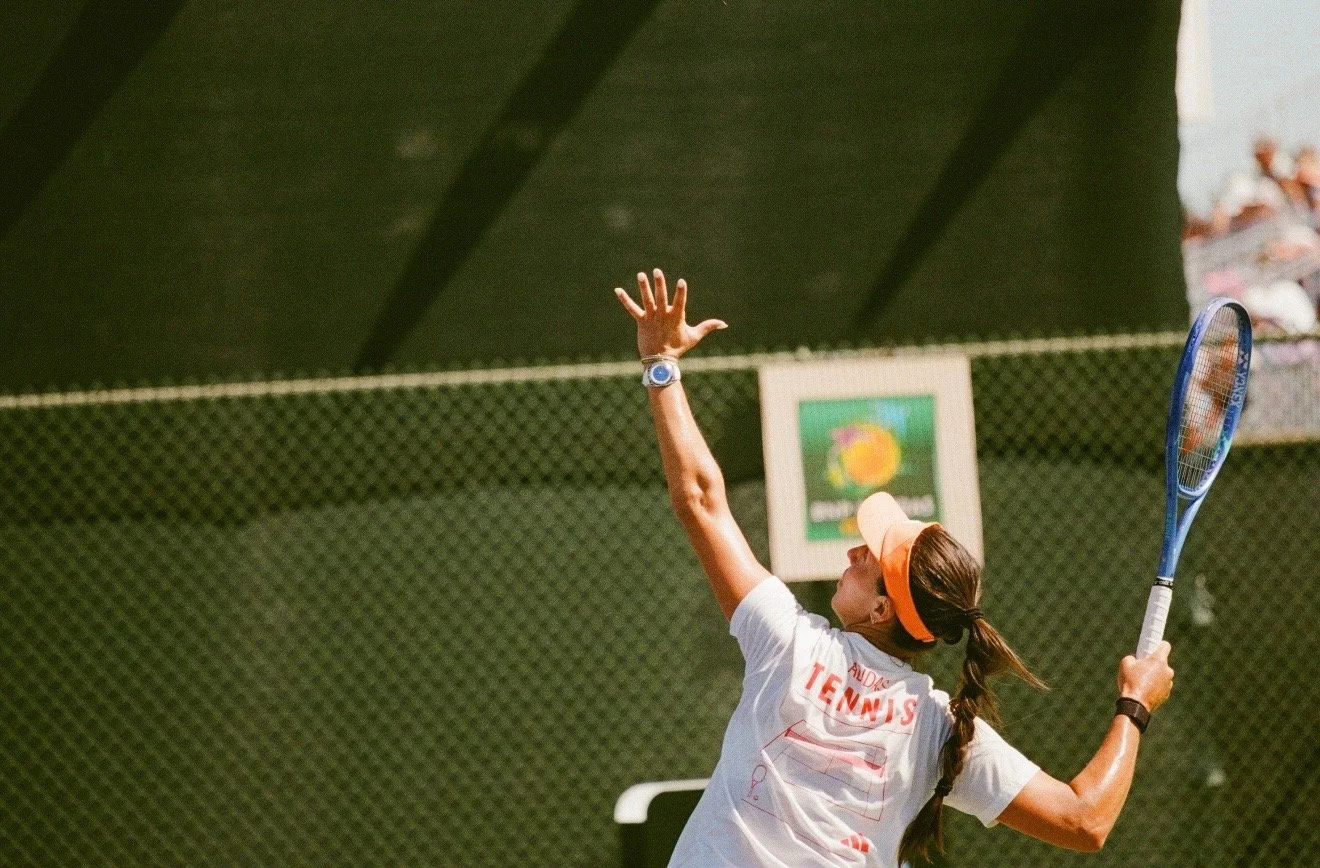
You’ve spent time documenting Tommy Paul, Jess Pegula, and other pros on the court, in both practice and match contexts. What were you hoping to capture, what has the response been, and what did the experience reveal to you about them?
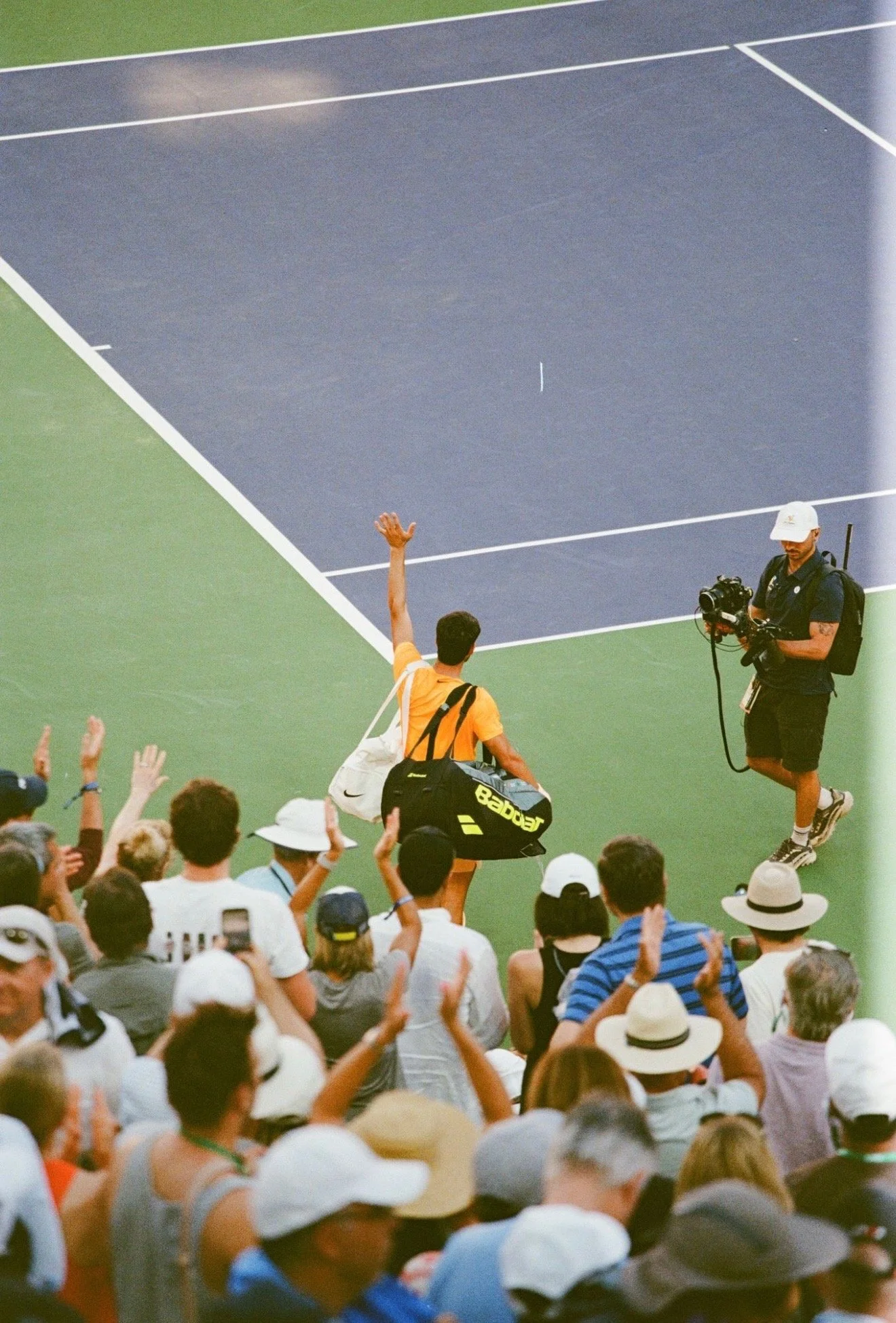
I’ve always sought to capture high-level performance, the beauty of movement, and also the quieter moments around it. Obviously the athleticism is insane and the speed in person is on another level, but I’m really drawn to the in-between moments too. The focus, the repetition, the body language, the racket flip, the feeling of someone being completely locked into what they love.
The response has been really positive, which means a lot to me. I always try to share my photos with the people I photograph, whoever they are, as a small way of giving back to something that’s really improved my life. If a photo can make someone feel seen or appreciated, that’s pretty special.
Being around pros has made me appreciate the work they’ve put in to get where they are. This sport is incredibly difficult, so you have to appreciate the endless hours that have gone into becoming who they’ve become. At the same time, with a lot of the players I’ve followed, you can still see how much they love just smacking tennis balls every day. There’s something simple and pure about that, which is fun to capture.
Do you approach photographing a Grand Slam differently than an intimate, community-driven event? How does your mindset shift between those environments?
A little bit, though the core of it stays the same for me. The moments, movement, and simple beauty of a court exist across all levels.
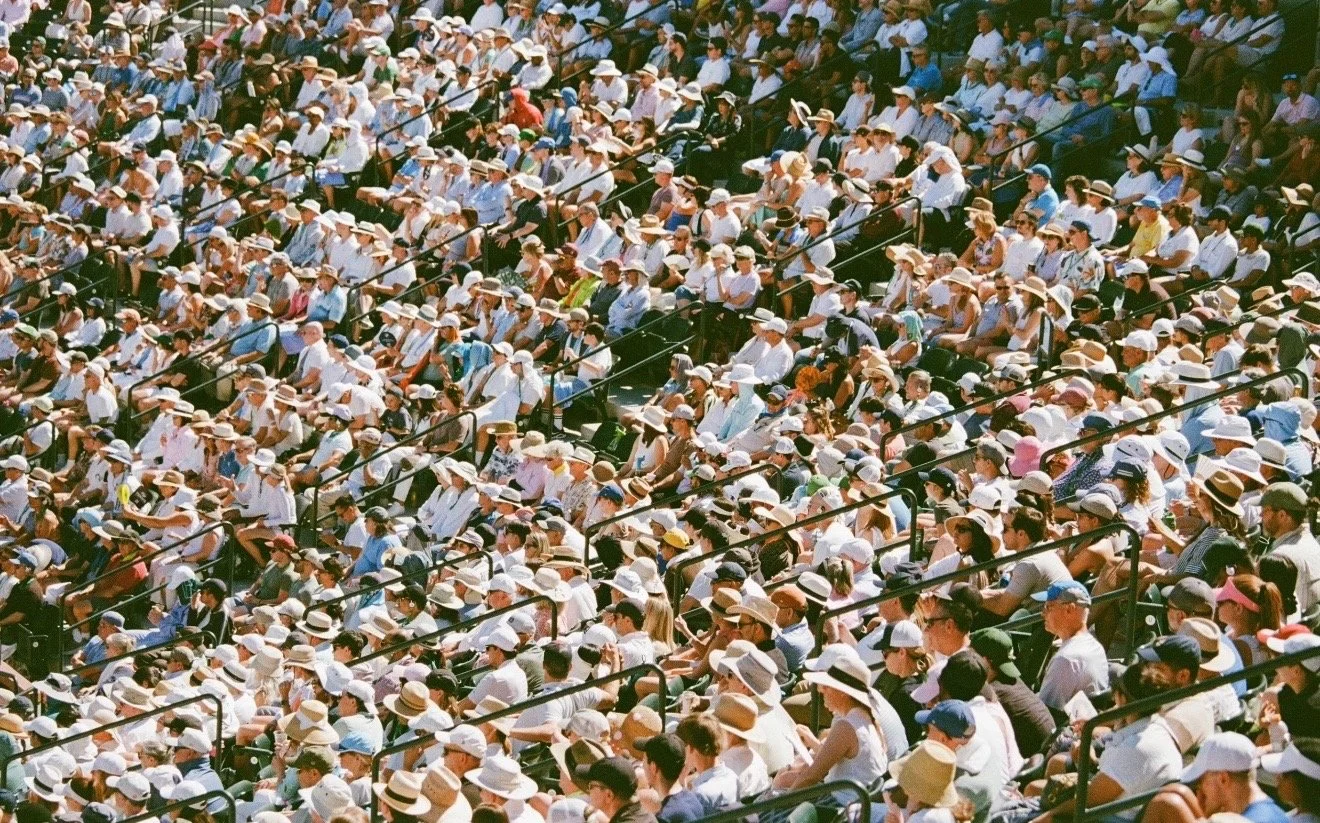
In terms of the differences, at a Grand Slam or a big pro event, everything is on a larger scale and moves faster (including the ball). It can be quite hectic, so staying focused is challenging. You have to stay really present because the moments come and go quickly, especially when shooting film.
At a more intimate, community-driven event, the pace is naturally slower. People are always really excited and grateful to just be on the court. There’s something very special about that. The everyday player often brings a simple appreciation and joy that is really fun to photograph.
The mindset shifts mostly in terms of pace and scale. I’m still looking for movement, athleticism, emotion, atmosphere, and those smaller moments that feel true to the tennis experience.
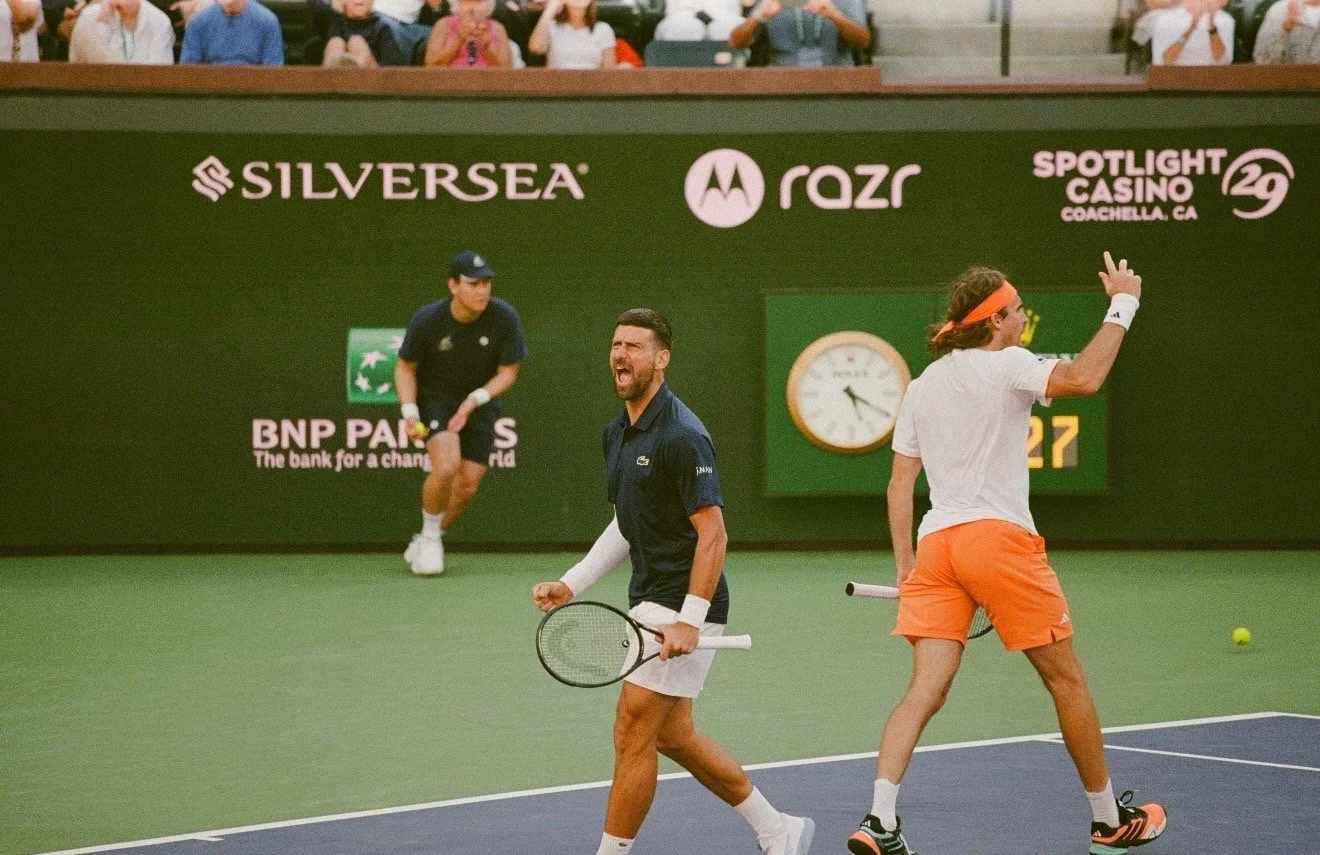
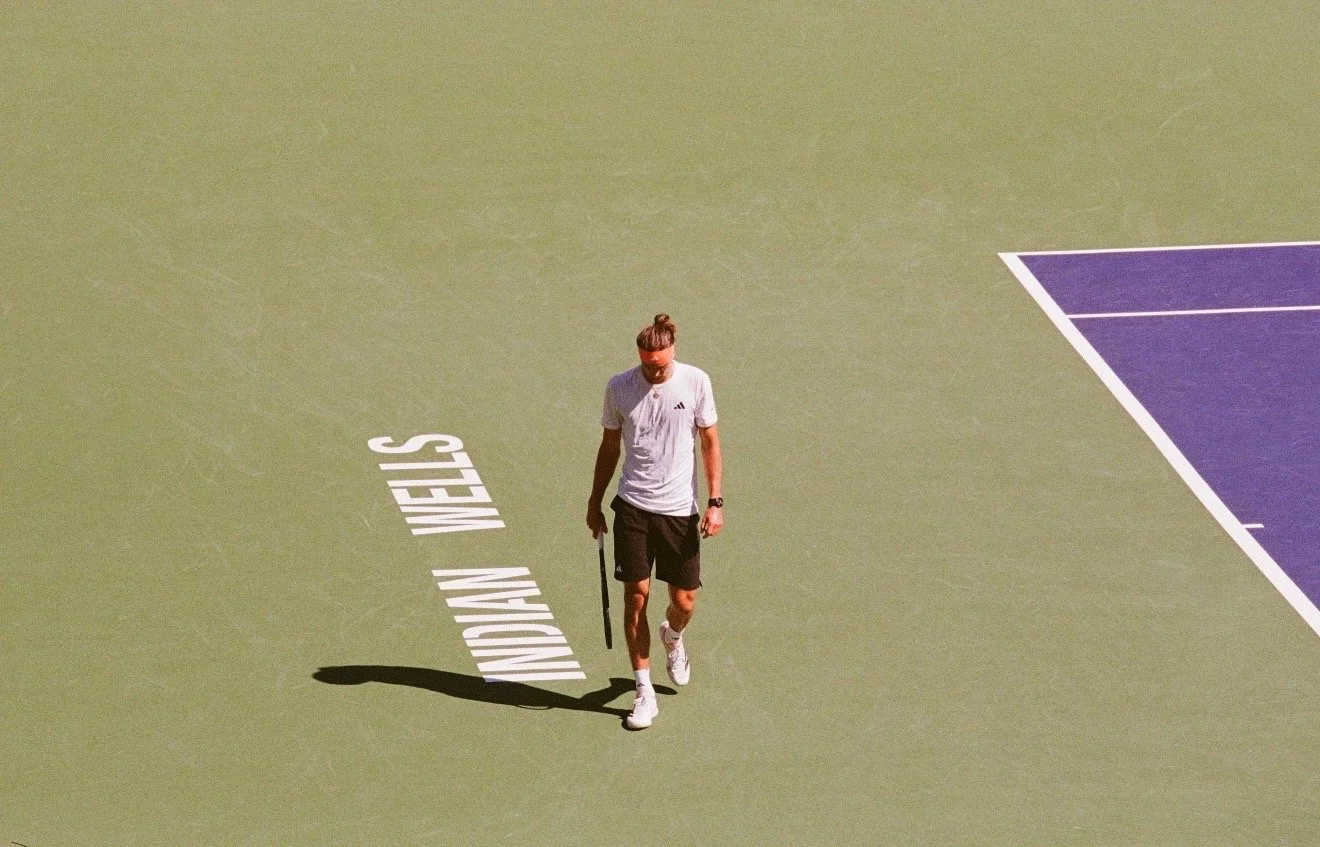
You’ve photographed Indian Wells before. What makes that tournament visually different from the rest of the tour?
The combination of the desert, the mountains, the palms, the history of the area, and the scale of the venue makes it feel almost surreal. There’s a serenity to it, and yet you’re watching tennis at the highest level with thousands of people. That contrast makes it really special.
You can also feel the attention to detail. A lot of pros talk about that, and once you’re there, you get it. Even as a fan, the way the practice courts are set up for easy viewing from so many angles is something you don’t get at most tournaments.
Of the big U.S. tournaments I’ve been to, Indian Wells feels intentional and thoughtful. The US Open feels like ambition, legacy, and energy. Miami, to me, feels more manufactured.
Despite the scale, Indian Wells has a calmness and elegance that makes it really satisfying to photograph. Even if you’re just watching and not shooting, I highly recommend heading to the practice area at sunset and just sitting down and taking it in, no matter who’s hitting. There’s nothing quite like it.
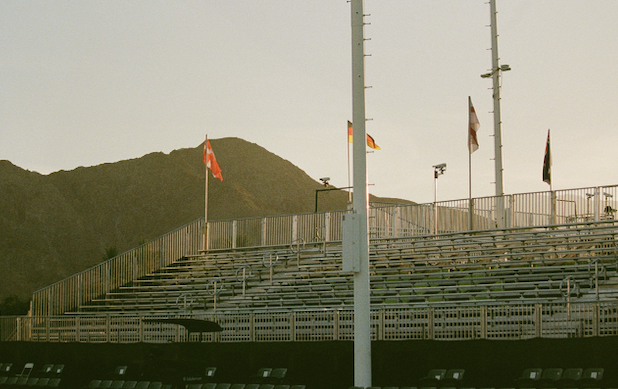
Film or digital, and why?
Film, always. Digital imitates the look with presets and filters, and it still never quite gets there for me. I always feel like I’m trying to copy something, so why not just shoot the way I want it to look from the start?
Film has a way of capturing moments that feel more honest and more genuine. It can really transport you back into a moment, which for me, is the main point of taking photos. I have a ton of respect for people who shoot digital, but film gives me a feeling digital never really has. Plus you spend way less time in post.
I also love what it demands from you. It forces patience and good decision-making. You don’t have unlimited shots, and because it costs real money every time you press the shutter (more now than ever, sadly), you have to slow down and make it count. There’s pressure in that, but I enjoy that pressure because it results in more focus. It feels a lot like tennis in that way.

Tennis today feels more cultural, more fashion-forward, more lifestyle-driven than ever. How has that shift influenced your eye and the way you document the sport?
Tennis has always had beauty and athleticism built into it, but the lifestyle and community side of it make it even more interesting to photograph. In a place like LA, you really feel that crossover now, with people from all different corners of culture falling in love with the sport.
I’ll always be drawn to athleticism and emotion, but I’m also paying attention to fashion, gear, environment, community, and the way tennis shows up as an integral part of someone’s life.
That shift is making the sport feel richer to document, both on and off the court.
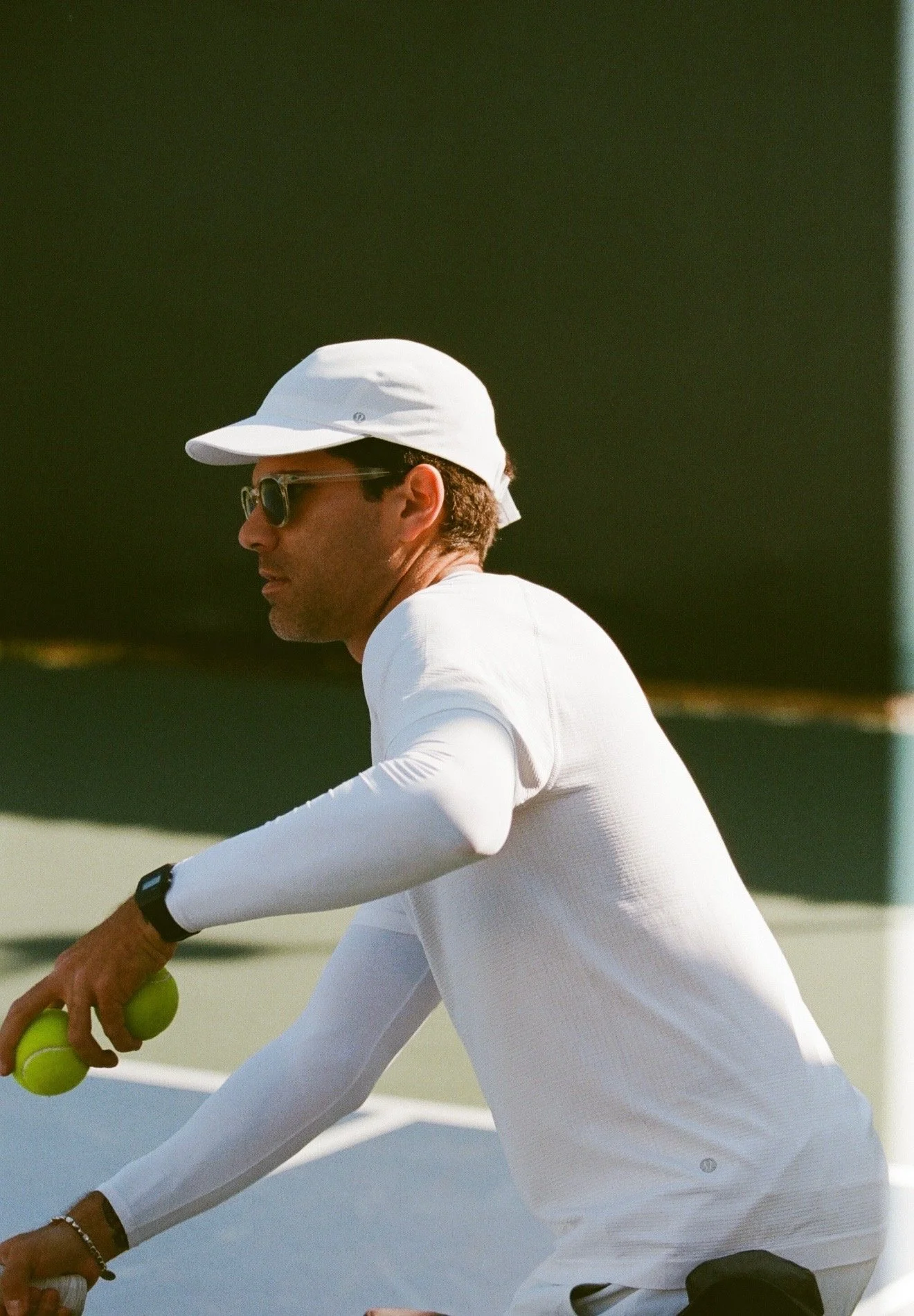
You’ve spent time around the Sunset Tennis Club world. What feels different about photographing a community like ours versus a traditional tournament setting?
With Sunset, it feels like a real community built around a shared love of the sport. It’s welcoming, aspirational, health-focused, and still very focused on tennis and improvement. That kind of community feels especially valuable right now, and I’m really grateful for it.
A traditional league or tournament setting can be fun, but they’re often more intense and overly competitive. A community like Sunset feels more personal. People are there for tennis, connection, and being around like-minded people. That gives you real relationships to photograph alongside tennis.
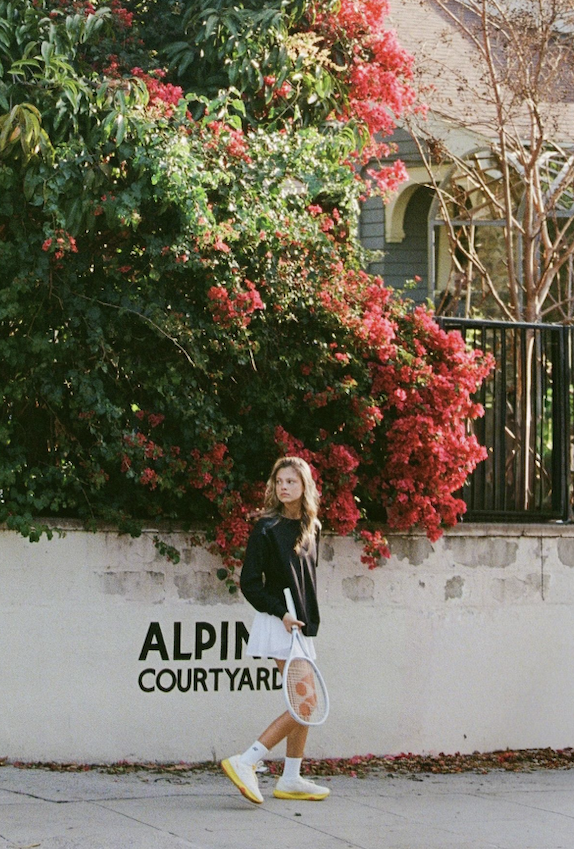
When you think of Sunset, what comes to mind visually?
Golden hour on a beautiful private court in the heart of the city, with the shadows and geometry of the court, and people doing what they love. Coming together from a bunch of different walks of life with the same love for this sport. It doesn’t get much better than that.
LA is a character in a lot of your tennis work. What do you think makes tennis in Los Angeles feel distinct right now?
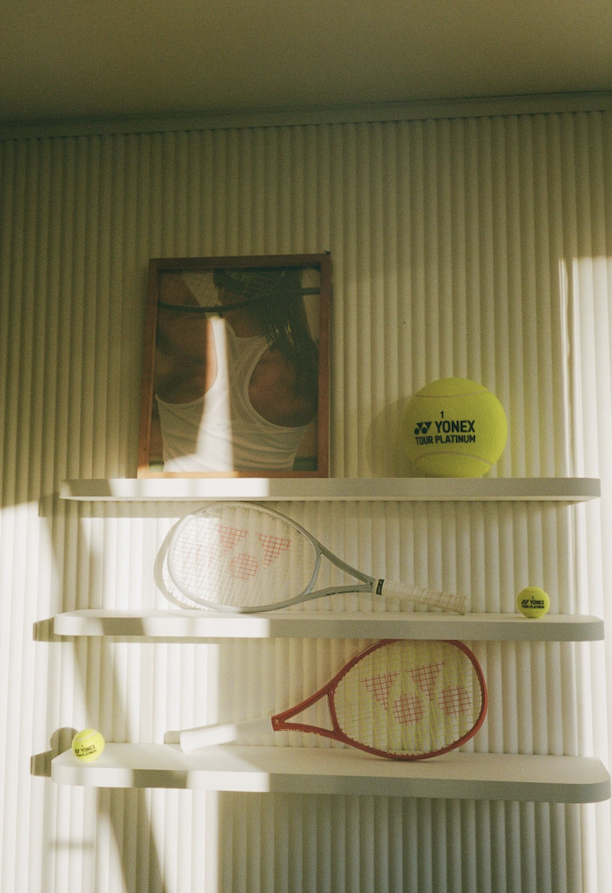
LA tennis has its own texture. It’s sun and shadows, park courts and private courts, palm trees next to chain-link fences, and the noise of the city around you while a court is dead quiet. You can play a set in the middle of a weekday and it feels like you stepped out of that noise for a second.
The other thing is the mix of people. You get juniors chasing something big, adults who are all-in on improvement, and people who just want an hour outside with friends. It’s a sport you can take seriously without taking yourself too seriously, and that feels very LA to me.
That’s what I’m always looking for in my photos. Tennis as part of the city, not separate from it.
What is your biggest photography or tennis career dream right now, maybe even a secret one?
My biggest dream right now is to tell more complete tennis stories.
I’d love to follow pros, college players, and aspiring competitive players for a week or two at a time, and document the full picture. The training no one sees, the routines, the setbacks, the mental battles, the people they are outside of tennis, and the way the sport sits at the center of their lives.
That’s probably the dream in the simplest terms. To document tennis in a way that feels human and real, and hopefully give something back to a sport that has given me a lot.
Connect with Nick and take a look at his work on Instagram @_nickhoag